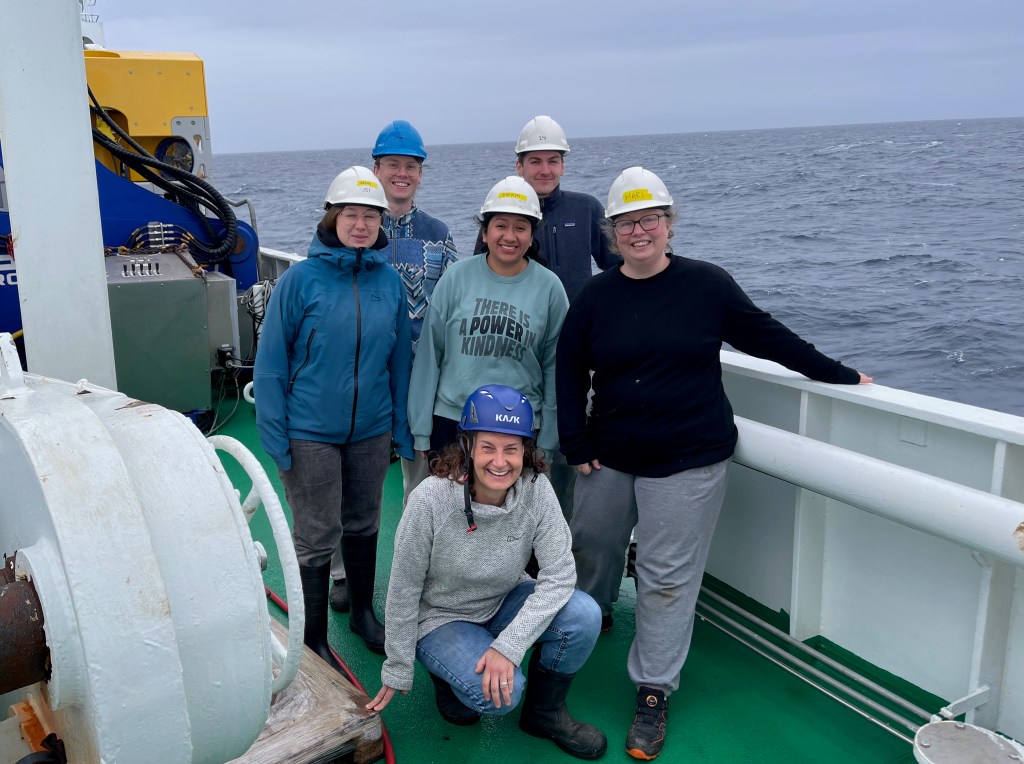
So far this year, the CBE Arctic team had the opportunity to participate in two research cruises. The first cruise was the second leg of the EXTREME24 cruise organized by our collaborators at the Arctic University of Norway (UiT) with Giuliana Panieri as cruise leader. This was a relatively short cruise of about a week in the Barents Sea, but it was EXTREMEly productive! The main objectives of the cruise were to visit the Borealis mud volcano which was discovered last spring on the third cruise of the AKMA project (which we also had the pleasure of participating in), and to search for additional mud volcanoes. With the skilled guidance of geologist Rune Mattingsdal from the Norwegian Offshore Directorate we hit a jackpot with 10 new mud volcanoes discovered!
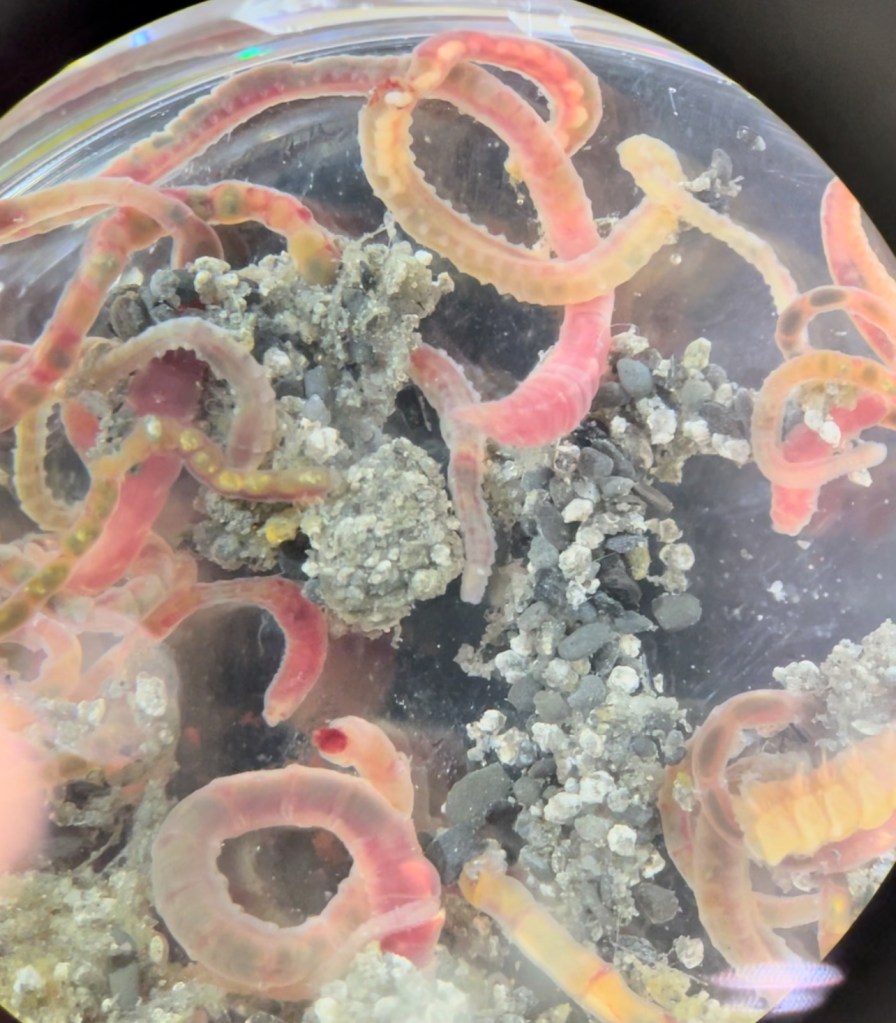
Mud volcanoes are a particular type of cold seeps, which host chemosynthesis-based ecosystems fueled by methane seeping out of the seafloor. Our task on the cruise was to collect samples of the cold seep fauna to explore the biodiversity, community composition and links to other chemosynthesis-based ecosystems such as hydrothermal vents. As usual, the samples were very “wormy”, as polychaetes of various kinds are an abundant part of the fauna at cold seeps.
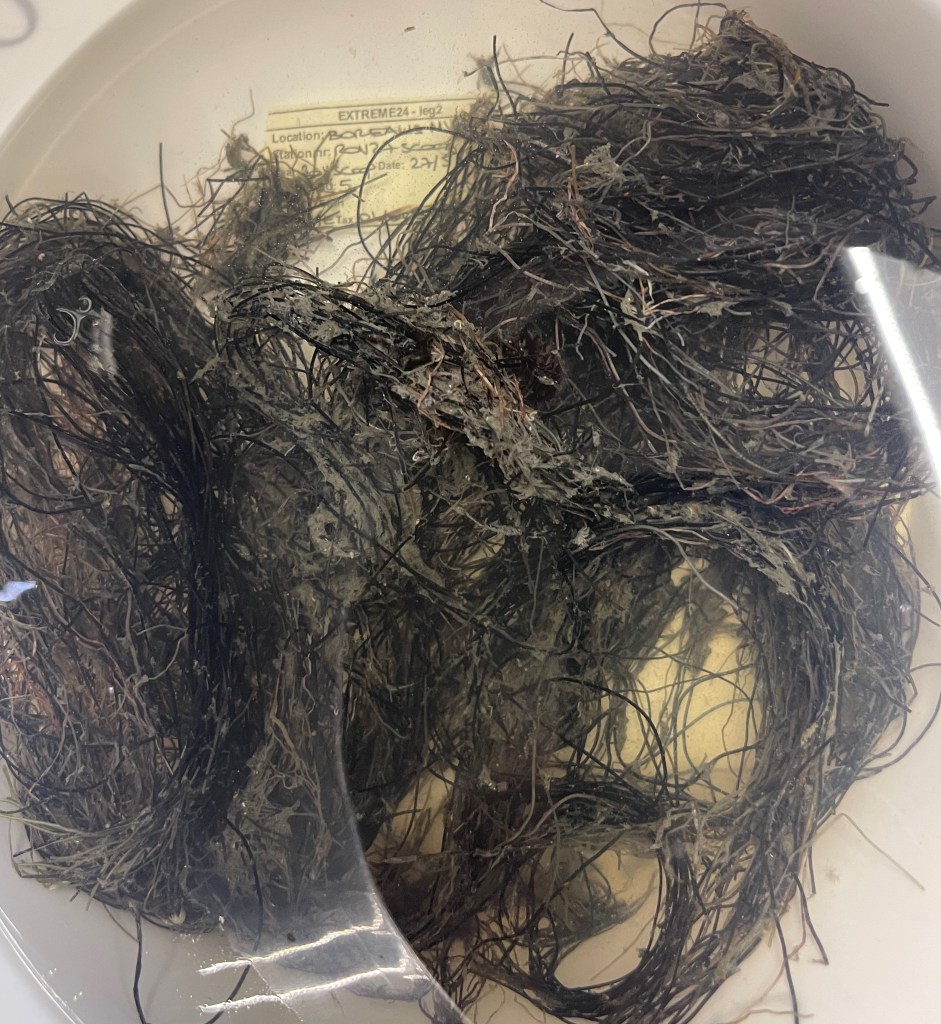
In late June/early July we also took part in the annual cruise of the Centre for Deep Sea Research (CDeepSea) to the Arctic Mid-Ocean Ridge to explore both hydrothermal vent sites and other deep-sea ecosystems. A highlight of the cruise was live-streaming from the Loki’s Castle hydrothermal vent field showing what the vent field looks like up close to a broad audience. Loki’s Castle is a vent field at 2300 m depth which we have visited many times since it was discovered in 2008, and we recently published a paper summarizing our knowledge of the faunal community found there (Eilertsen et al. 2024). The livestream was organized as part of the RIALHE Erasmus+ project, and you can read more about it and find a link to the recording of the livestream on the blog of the DeepSeaQuence project.
The Centre for Deep Sea Research is a multidiciplinary research centre funded by the Trond Mohn Research Foundation, and our cruises are usually a collaboration between several research projects working on various research questions in the same target area. The CBE Arctic team was collecting samples for the projects Vent and Seep Fauna, Eco-Safe Ridge Mining and also planning ahead by sampling for the WormFEST project which will be starting in 2025.
 cbearctic.com
Leave a comment