
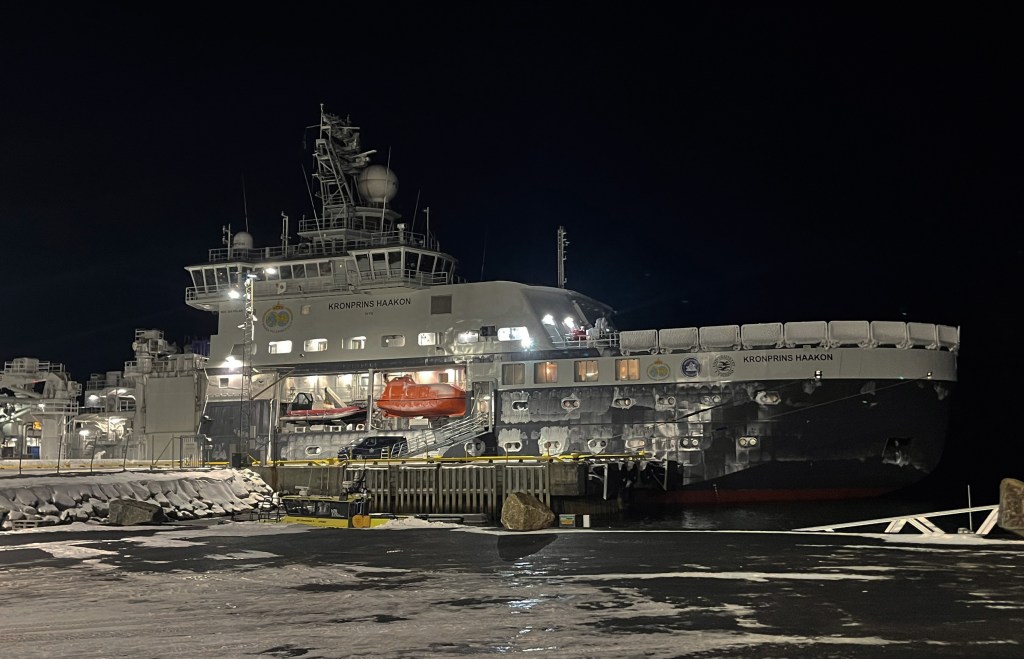
In November, researchers from CBE Arctic at the University of Bergen (UiB) embarked on an extraordinary journey as part of the EXTREME25 expedition, organized by the Arctic University of Norway (Tromsø) through the EXTREMES project. Aboard the state-of-the-art research vessel RV Kronprins Haakon, Mari H. Eilertsen and PhD student Christian L. Nilsson joined an international group of scientists to investigate some of the most remote and extreme environments on Earth.
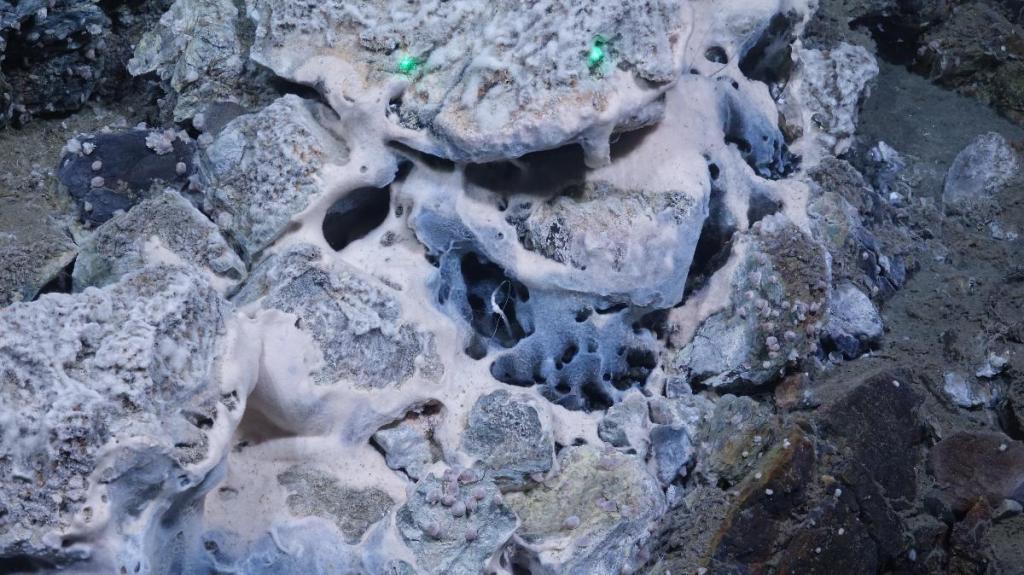
Using advanced technology such as the Ægir 6000 remotely operated vehicle (NORMAR), researchers collected biological samples from hydrothermal vents and methane seeps, spanning newly discovered and more well-known sites from the dramatic depths of the Molloy Deep and Knipovich Ridge to the Barents Sea. One of the most significant findings of the cruise was the discovery of the Frigg hydrothermal vent field in the Fram Strait, which hosted specialized vent fauna and may be a source of abiotic methane. Read more about the discovery here.
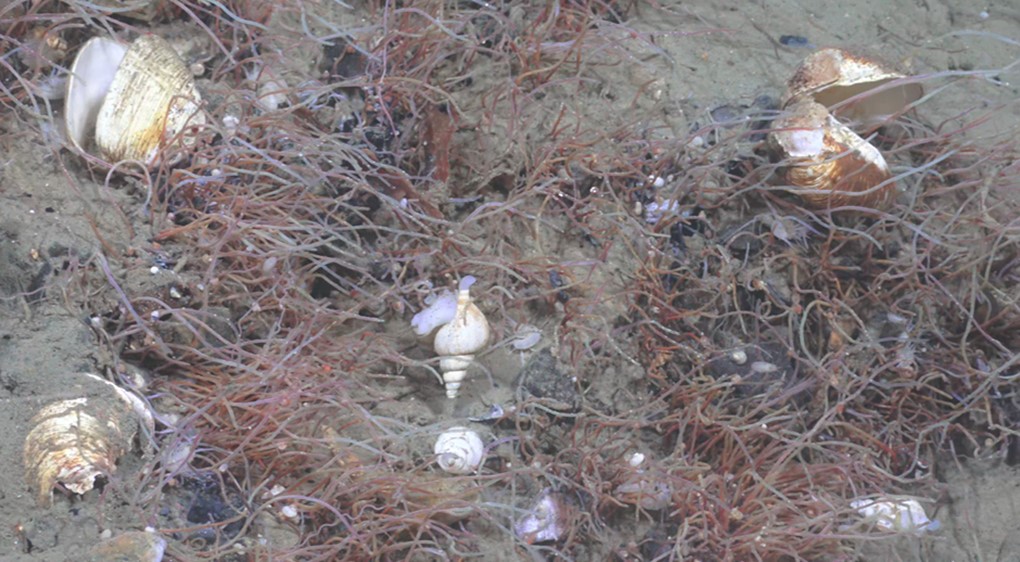
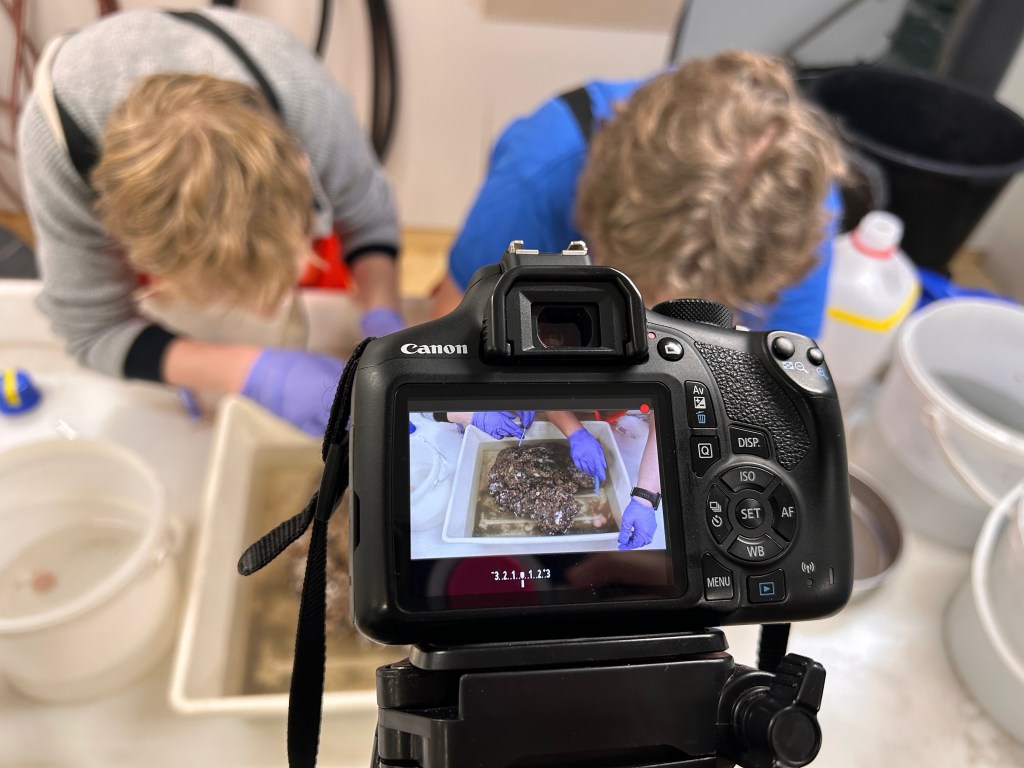
For the CBE Arctic team, this effort was driven by a key goal: to obtain deep-sea fauna for taxonomic, genetic, and ecological studies. These samples will help uncover how species adapt to extreme environments and how communities are connected across ocean basins. Sample processing on board is messy and a lot of work, but in good company and with many helpers we got the job done!
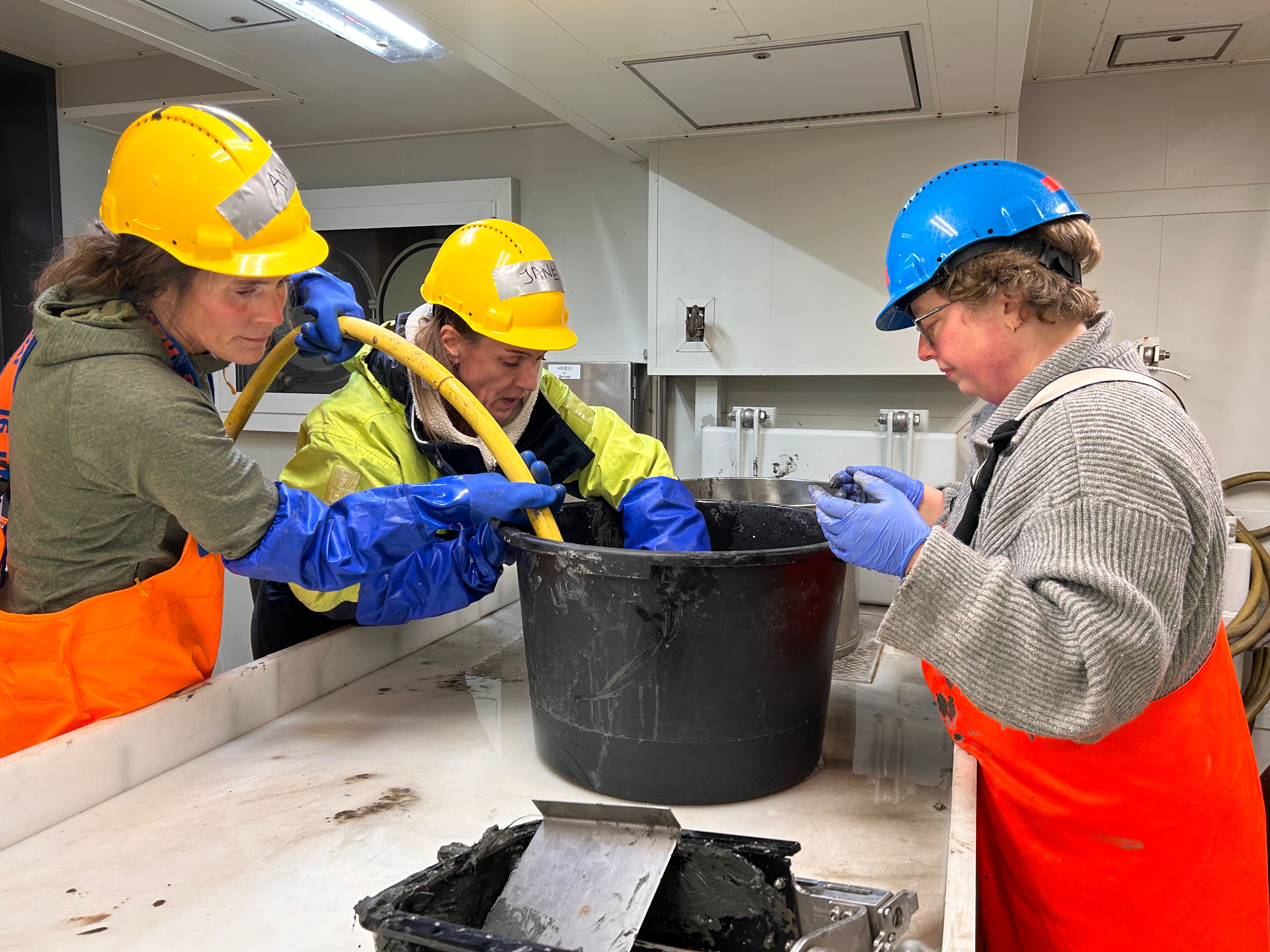
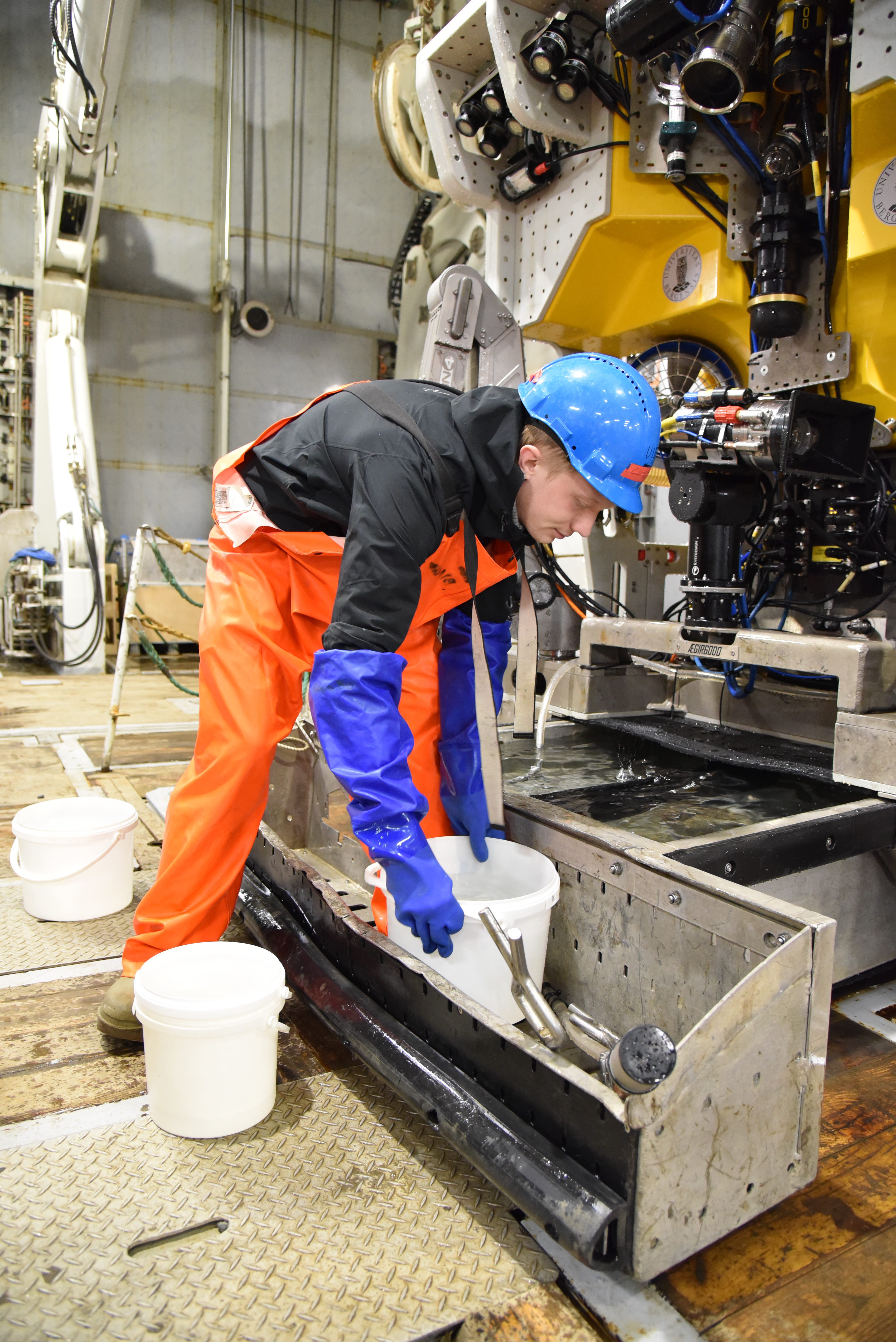
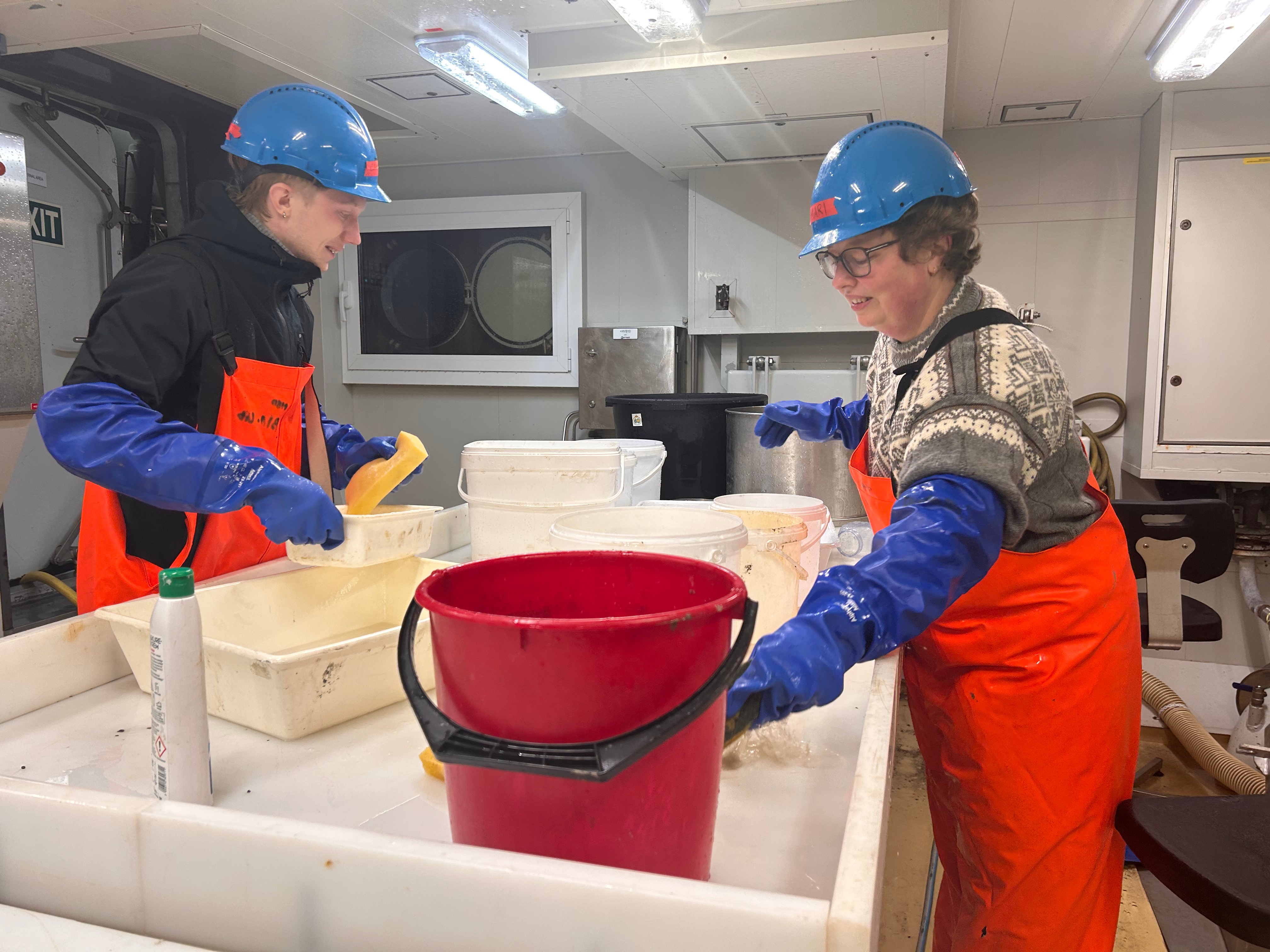
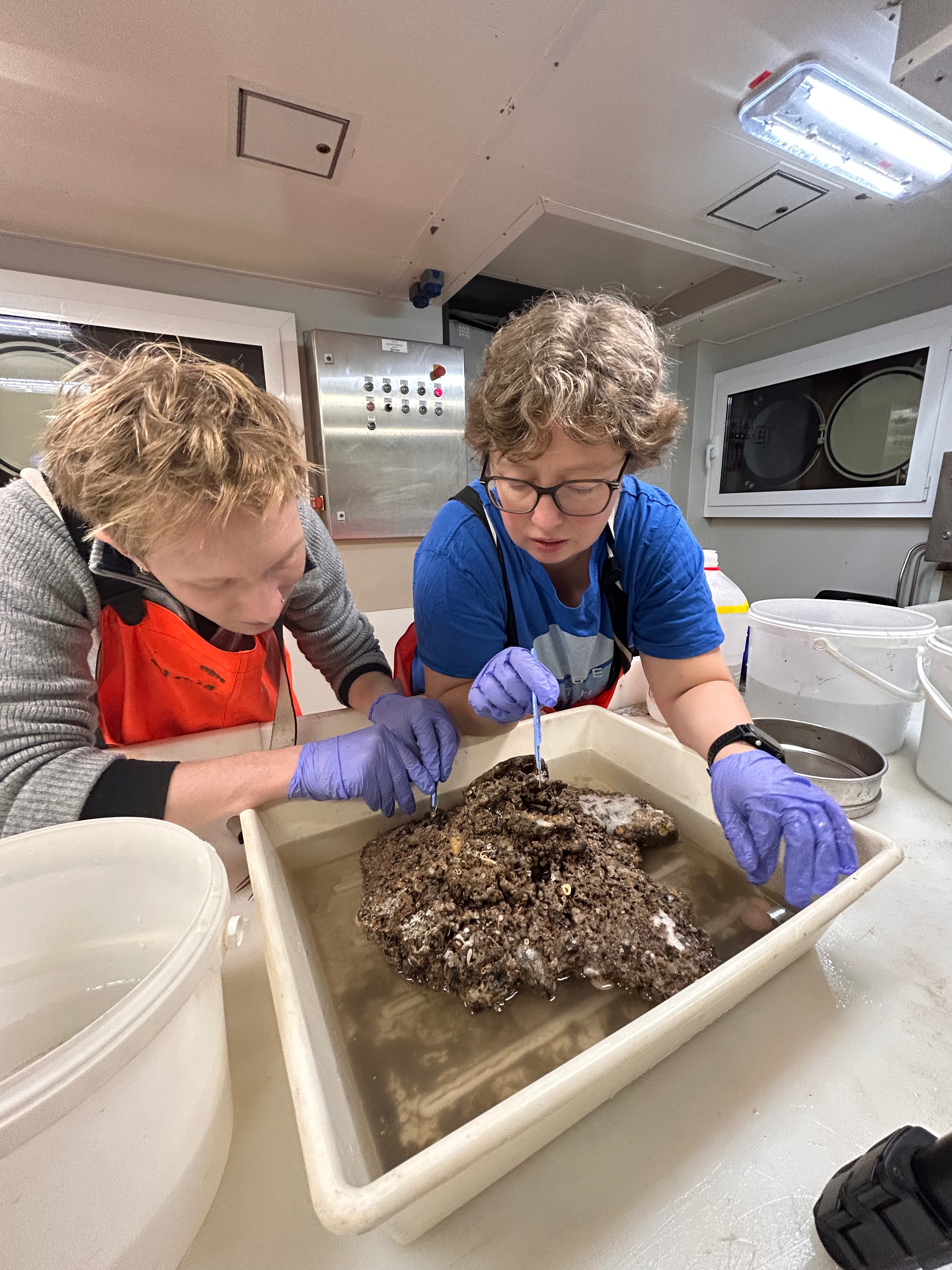
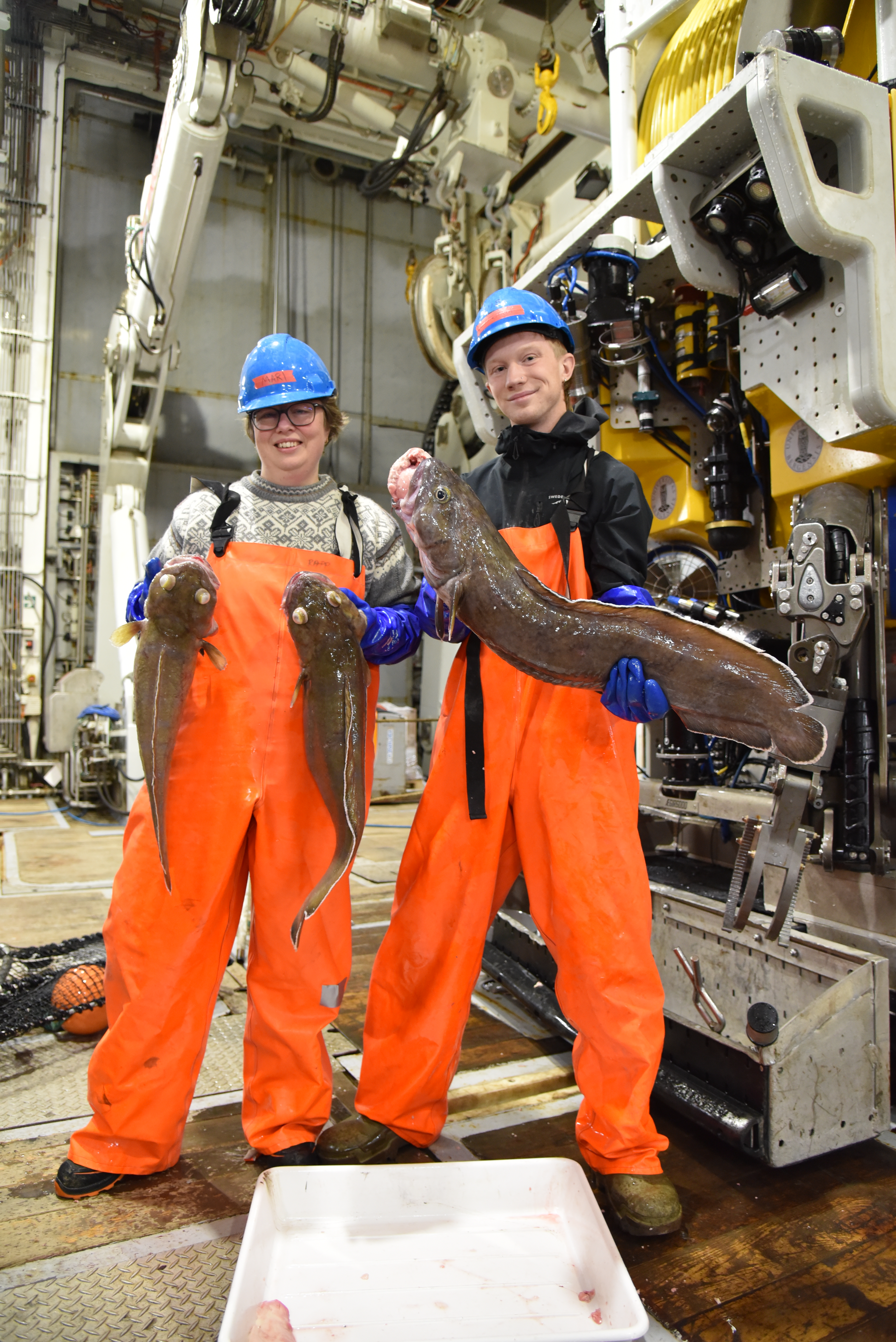
Processing of fauna samples. Images: Valentina Lanci, EXTREME25 expedition.
The cruise also included several artists involved in the EXTREMES project, aiming to develop and disseminate a transformative interdisciplinary approach to the study of extreme environments in the Arctic. It was a pleasure to interact with the artists and share our passion for the deep sea, and in some cases we got to participate directly in the production of art by sharing rocks, sediments or acting as “hand models” in images and films from the lab on board.
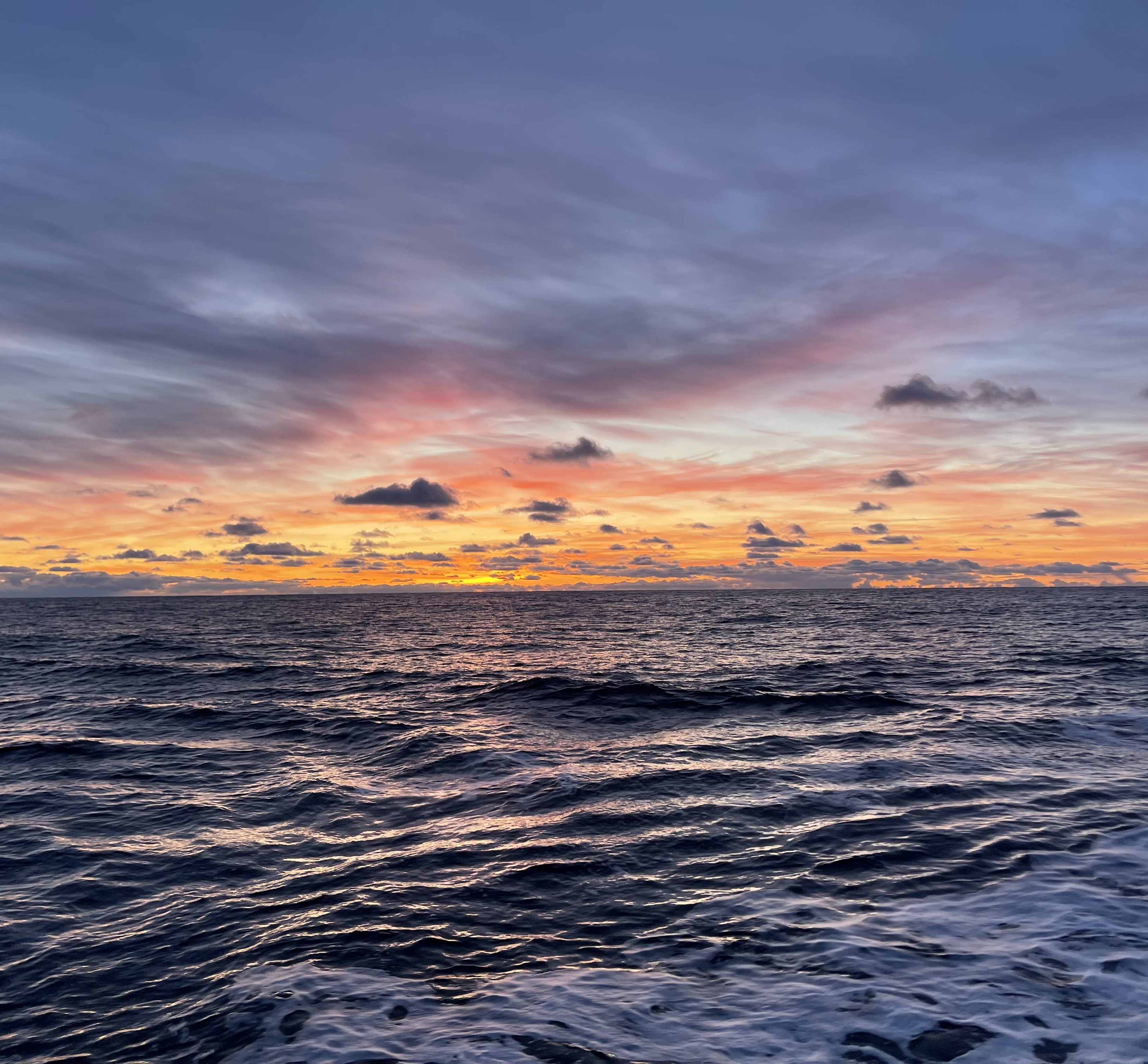
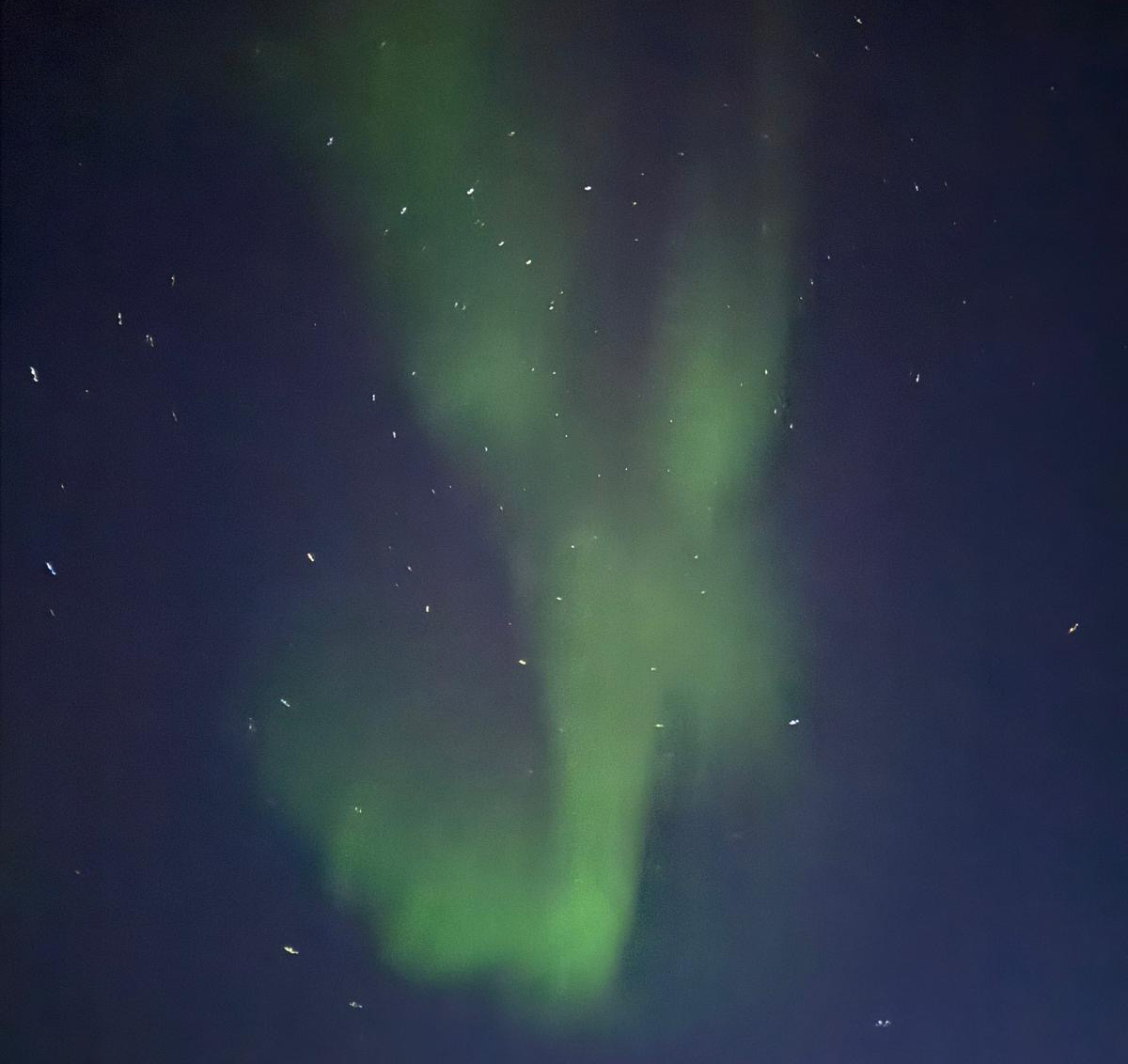
Going on a research cruise in the Polar Night has its challenges – such as rough weather, ice, and darkness. But as we progressed towards the Barents Sea we got some lovely sunrises that progressed rapidly into sunsets, as well as beautiful aurora borealis during the nights.
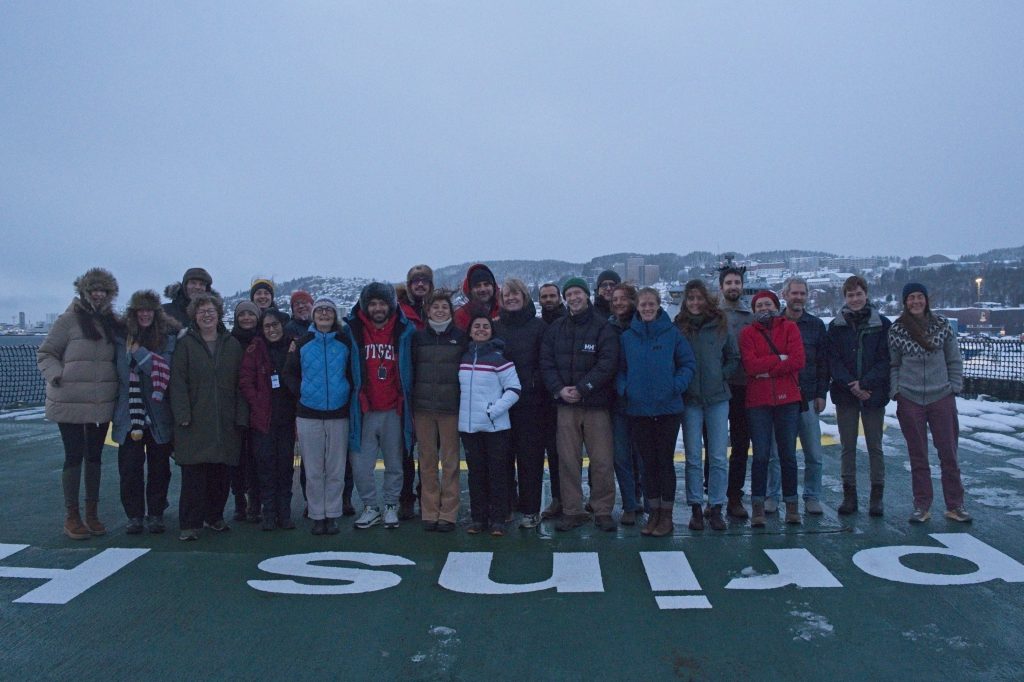
While the EXTREMES25 cruise delivered many exciting scientific results for the CBE Arctic team, one of the true highlights was the incredible interactions with the diverse group of scientists, artists, and ocean enthusiasts on board. Collaborating across disciplines and sharing perspectives made this journey unforgettable. Thank you to everyone who was part of this adventure!
 cbearctic.com
Leave a comment