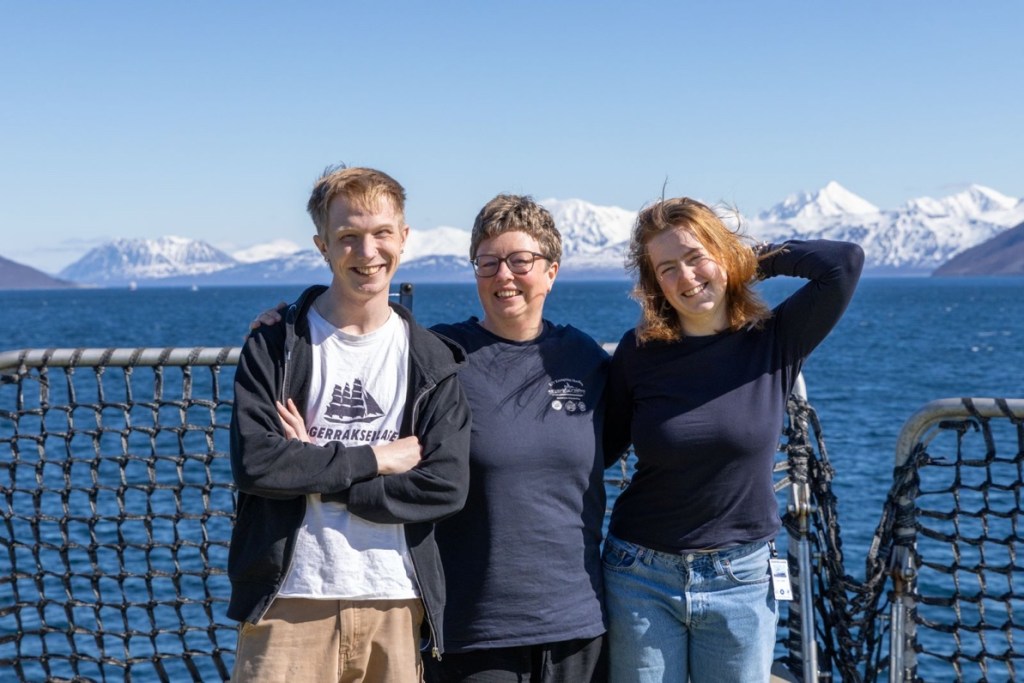
In May this year, Mari, Christian, and Selma from CBE Arctic joined a research cruise with the Arctic University of Norway, Tromsø to study ecosystems associated with methane seeps along the Norwegian continental shelf, from Tromsø and the Barents Sea in the north to Bergen and the North Sea in the south.
Chemosynthesis-based ecosystems are perhaps best known from the deep sea, but they also occur in shallower waters along the Norwegian continental shelf. Locating and studying these ecosystems requires close collaboration across multiple scientific disciplines, and the EXTREME26 cruise brought together geologists, geochemists, oceanographers, microbiologists, and benthic ecologists to investigate these complex environments from different perspectives.
Over the past few decades, numerous new seep and vent localities have been discovered. In most cases, identifying and confirming a new site involves extensive preparation, including seafloor mapping, geophysical surveys, and targeted sampling. Occasionally, however, discovery comes down to pure chance. Research cruises often reveal unexpected features and habitats while scientists are searching for something entirely different.
This was also the case during our cruise. While surveying methane seep habitats along the Norwegian continental shelf, we made two remarkable accidental discoveries: a whale skeleton on the seafloor and a previously unknown coral reef. Neither was part of the original research plan, but both findings highlight how much remains to be discovered in the deep and poorly explored marine environments off the Norwegian coast.
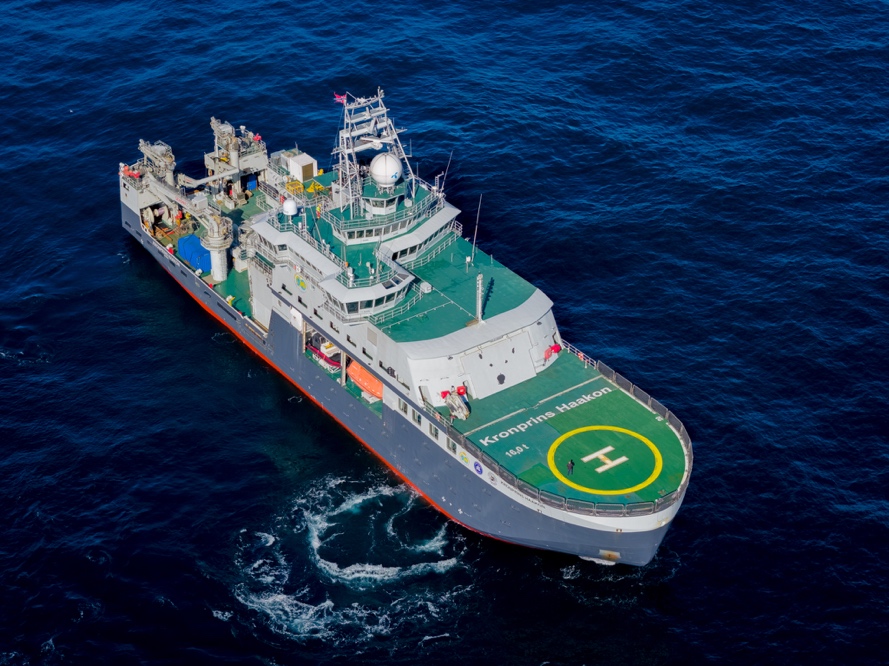
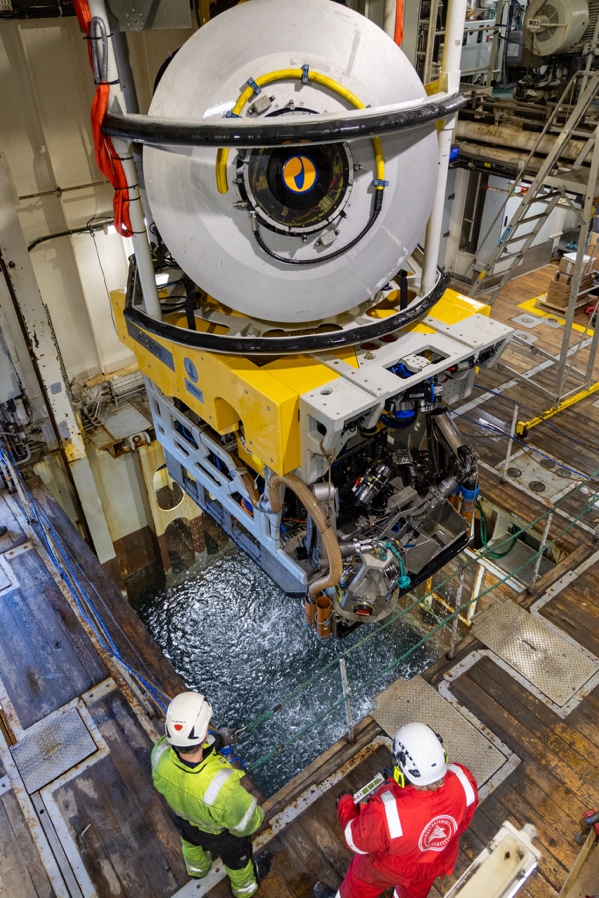
The research vessel Kronprins Haakon (left) and the remotely operated vehicle ROV ÆGIR6000 (NORMAR/University of Bergen, right).
The EXTREME26 cruise was conducted onboard the RV Kronprins Haakon, and our main sampling tool was the ROV ÆGiR 6000 (NORMAR). ÆGIR is capable of diving to depths of up to 6,000 metres and transmits live video feeds back to the vessel, allowing scientists to observe these ecosystems in real time and decide which organisms, habitats, and features should be sampled. The ROV is also equipped with a wide range of sampling tools, enabling researchers to collect sediment cores, retrieve rocks and larger animals using robotic manipulators, and gently suction small organisms into sealed collection chambers for later analysis.
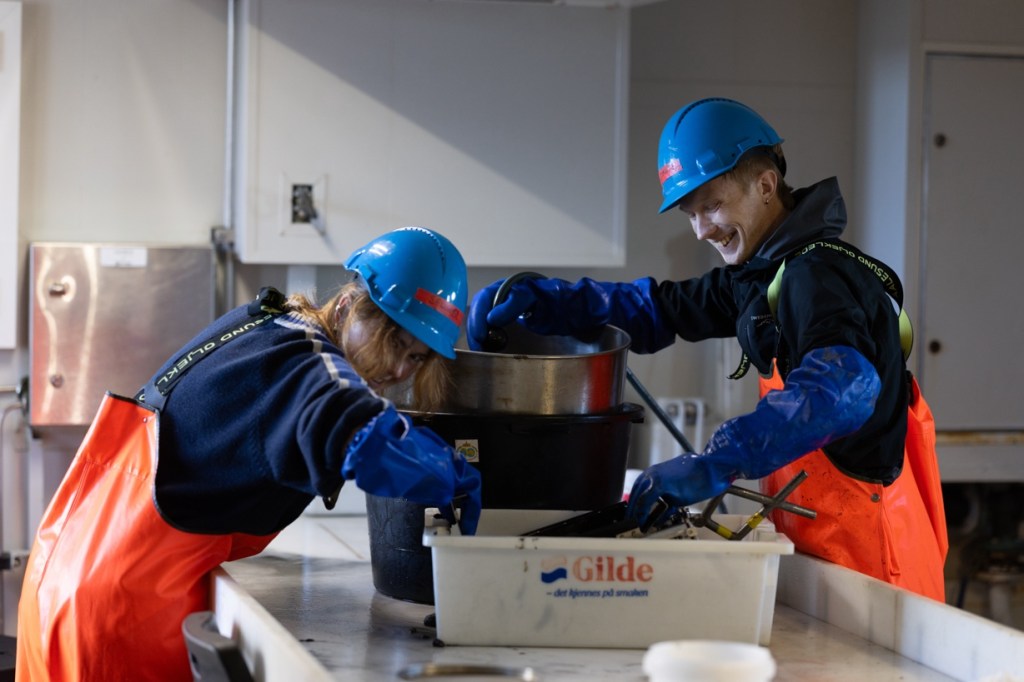
Chemosynthesis-based ecosystems are characterized by steep gradients in temperature, substrate type, and geochemical conditions. As a result, many of the species found in these environments are highly specialized and may be restricted to specific microhabitats. For this reason, our sampling strategy focuses on collecting specimens from a range of microhabitats at each locality to obtain a representative picture of the ecosystem’s biodiversity. Thanks to the ROV, we can identify these distinct habitats in real time and carry out targeted sampling of specific features and communities.
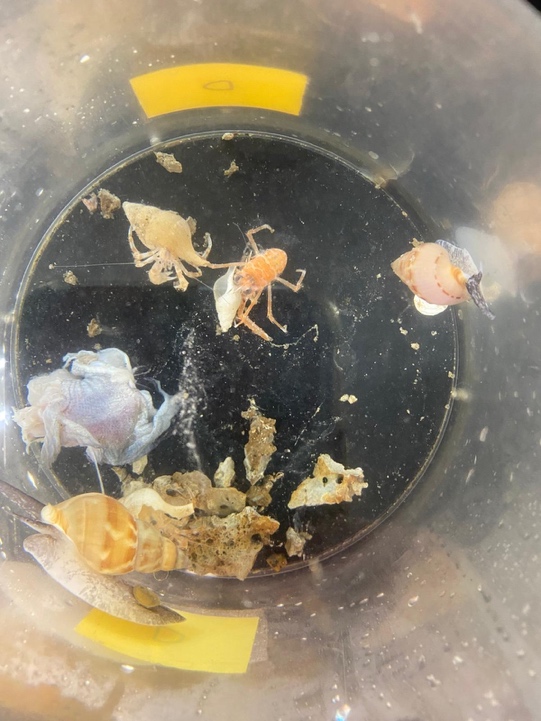
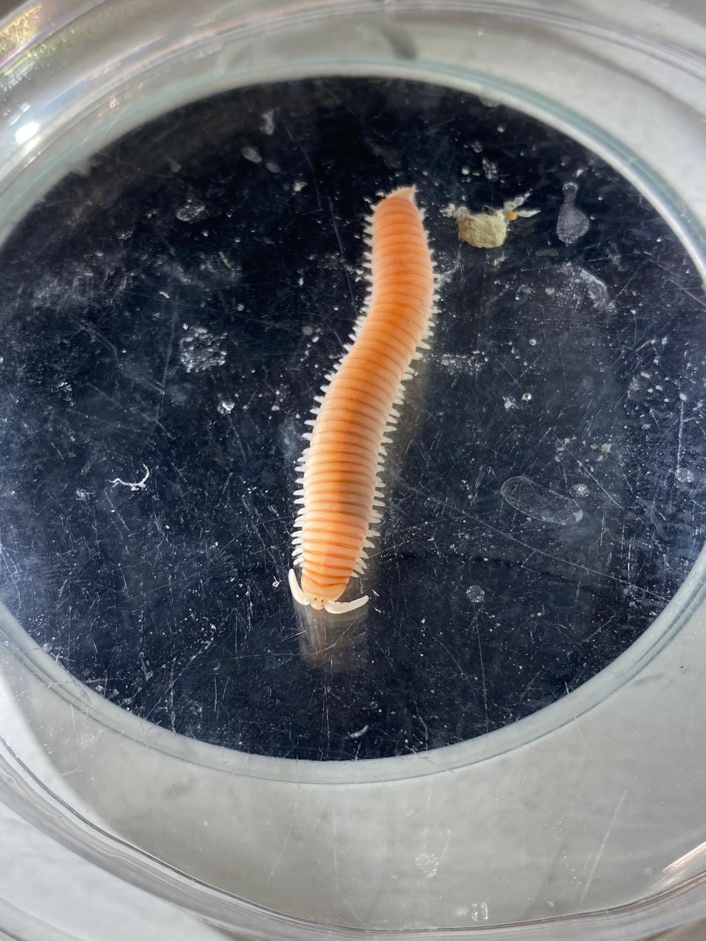
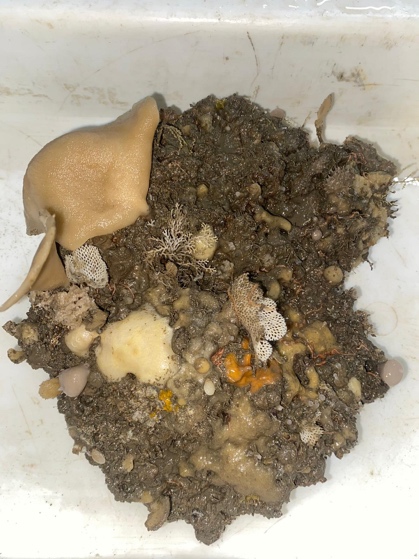
From left to right: a collected sample containing a variety of animal groups, such as gastropods and crustaceans; the polychaete worm Dorvillea rubrovittata; and a carbonate rock covered by sessile organisms, including sponges, bryozoans, and hydroids. Photo: Selma B. Eriksen.
The cruise was highly successful, yielding a diverse collection of samples from methane seep ecosystems across the Norwegian continental shelf that will contribute to the WormFEST and NorCBE projects, as well as EXTREMES.


Leave a Reply